One molecule. Many frontiers.
Tabernanthe iboga stores its pharmacological power in its root bark, where a family of indole alkaloids — most notably ibogaine and its active metabolite noribogaine — accumulates over years of slow growth.
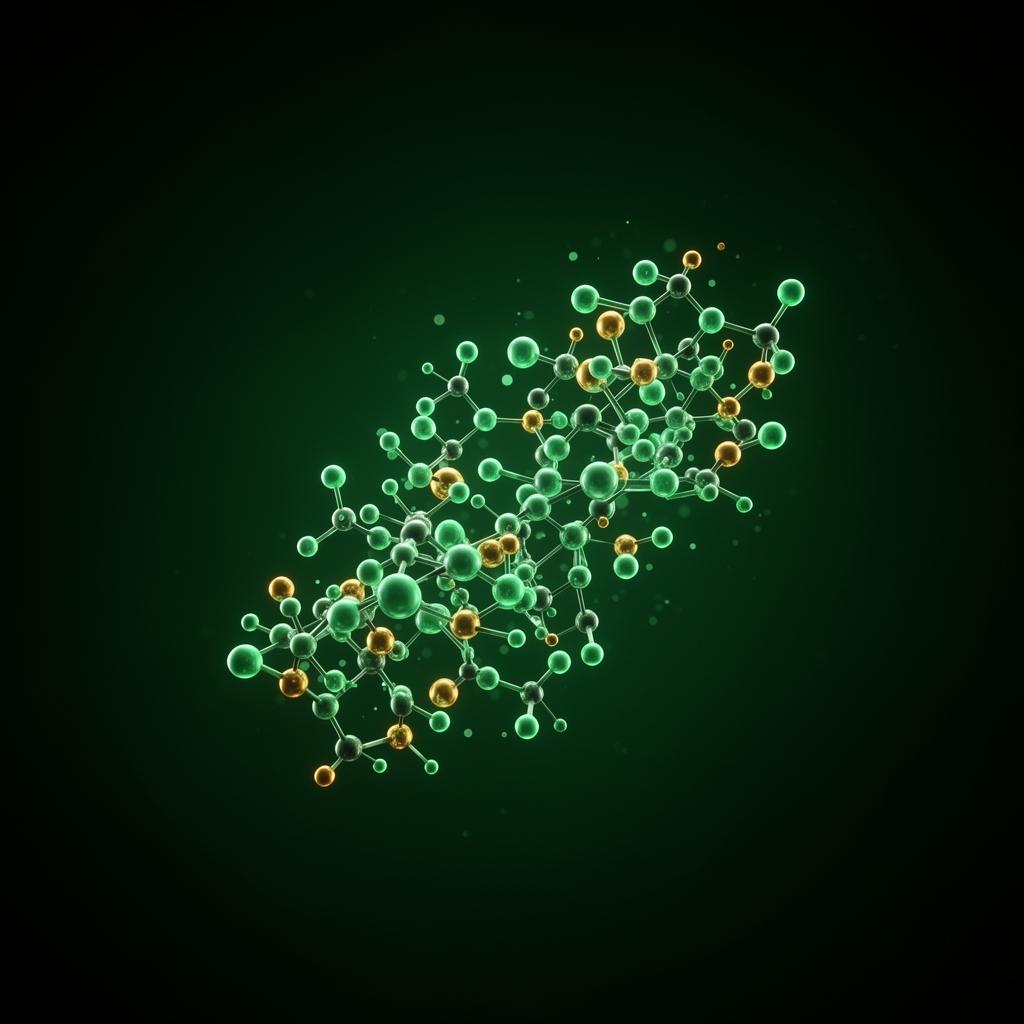
Ibogaine
A naturally occurring psychoactive indole alkaloid concentrated in the root bark of Tabernanthe iboga. Unlike conventional pharmaceuticals, ibogaine appears to act as a reset switch on the brain's reward and habit circuits.
Breakthrough studies, on every continent.
Magnesium-paired ibogaine for TBI in special-operations veterans
Ibogaine-assisted detoxification for opioid-use disorder
Noribogaine derivative development — Phase I/II
Long-term abstinence outcomes following single-dose treatment
Neuroplasticity mechanisms of indole alkaloids
Policy & clinical framework for psychedelic-assisted therapy
Examples drawn from the public research landscape; Equatoria Biosciences is not affiliated with the institutions listed unless otherwise stated.